
Blog / CSEB and interlocking
CSEB block machine production capacity explained
What decides how many CSE blocks a machine makes per shift: cavities, cycle time, feeding, crew and curing space, with the output of each of our CSEB machines.
Possible Machines Private Limited ·
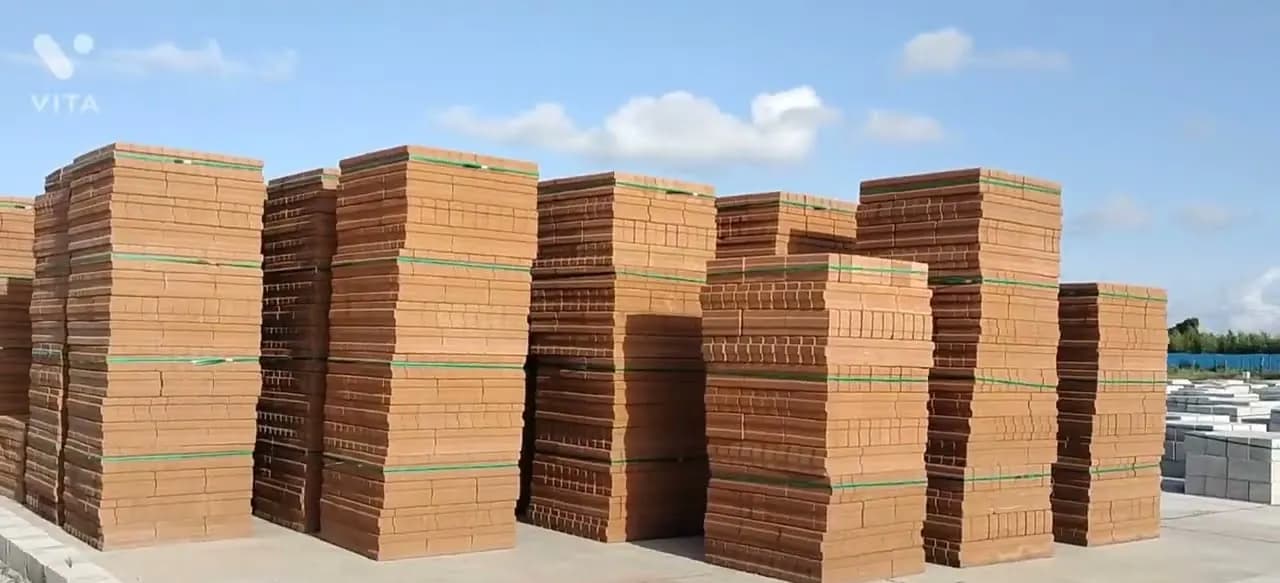
"How many blocks a day?" is the first question every CSEB buyer asks, and the answer on a brochure is not always what a plant makes. Here is how production capacity works, so you can compare machines fairly.
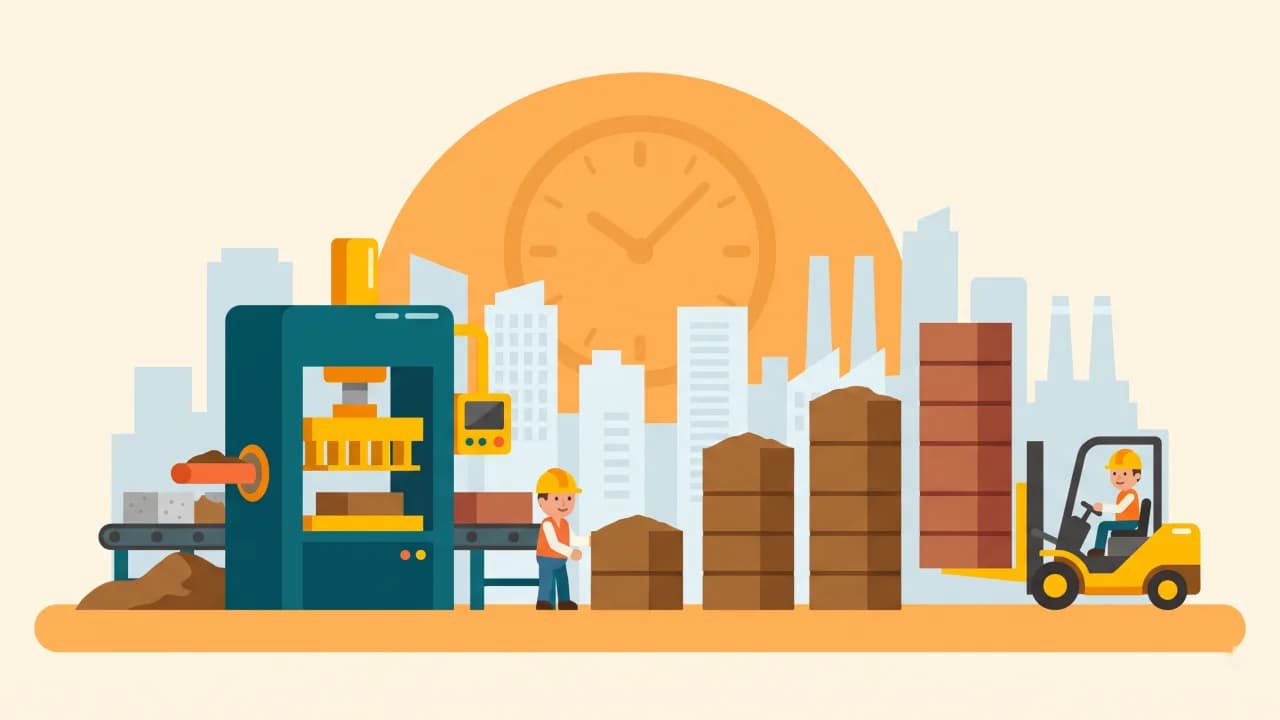
The basic sum
Blocks per shift = cavities × strokes per hour × productive hours
Cavities: blocks pressed per stroke. Productive hours: the hours the press is actually cycling.
The press is rarely the slowest part. In a real shift, strokes are lost waiting for the mixer, clearing a jam, changing a stack or at tea breaks. That is why the shift outputs we quote are lower than the cycle time alone would suggest. Always ask whether a figure is per hour, per 8-hour shift or per day, and whether it is a press rating or what plants actually make.
What raises or limits output
- Cavities. More blocks per stroke is the biggest lever: our range runs from 2 cavities to 10 on the dual compression plant. But more cavities only pay if every cavity is fed equally and pressed with the same force, at least 22 tonf per 72 sq in of block; otherwise some blocks come out weak or short.
- Feeding and batching. A press can only go as fast as the mix arrives. Automated batching and a conveyor-fed mixer keep it busy.
- Block handling. Machines that need no pallets, like our 4 cavity machine and PMHB24, save the time spent loading and returning pallets.